

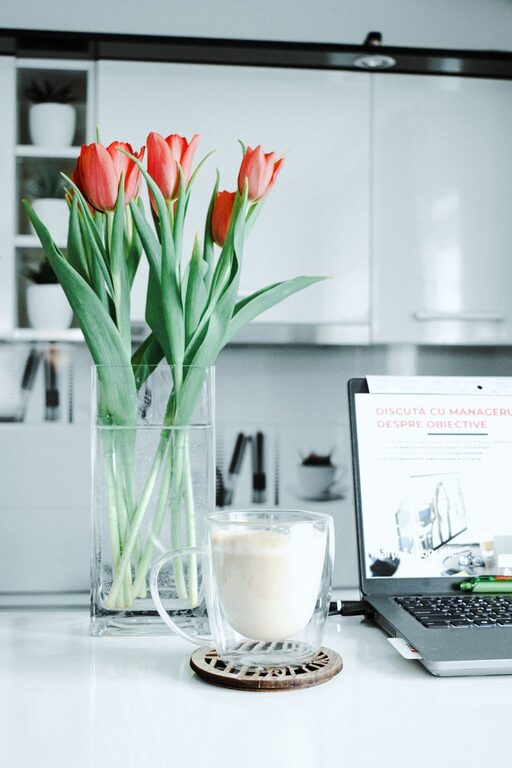
Creating a relaxing home workspace is more important than ever as many people continue to work remotely or set up home offices. A calm and well-organized environment can improve your mood, reduce stress, and boost productivity. In this post, we’ll explore practical tips to help you create a comfortable and inviting workspace that supports your focus and work habits.
Why a Relaxing Workspace Matters
When you work from home, it’s easy for distractions and stress to build up. A cluttered or uncomfortable space can lead to decreased motivation and higher fatigue levels. On the other hand, a serene workspace encourages concentration, creativity, and overall job satisfaction. Investing time in setting up your environment pays off with improved efficiency and well-being.
Key Elements of a Relaxing Home Workspace
1. Choose the Right Location
Finding a suitable spot is the first step. Ideally, pick a quiet area with minimal foot traffic. Natural light is a big plus, as it elevates mood and helps reduce eye strain. If natural light isn’t an option, use soft, warm lighting to avoid harsh glare.
2. Invest in Comfortable Furniture
Your desk and chair should support good posture and comfort. Ergonomic chairs with proper back support can prevent discomfort during long work hours. A desk at the right height will reduce strain on your wrists and shoulders. If space allows, consider a sit-stand desk for variety.
3. Declutter and Organize
A clutter-free space promotes clear thinking. Use organizers like trays, shelves, or drawer dividers to keep supplies tidy. Clear your desk surface at the end of each day to maintain a fresh start the next morning. Digital decluttering, like organizing files and emails, also helps reduce distractions.
4. Personalize Your Space Thoughtfully
Adding personal touches makes your workspace more inviting. Plants, artwork, or photos can create a pleasant atmosphere. However, avoid overdecorating, which can be distracting. Choose items that inspire and calm you without overwhelming the area.
5. Use Calming Colors and Textures
Soothing colors like soft blues, greens, and neutrals can reduce stress. If repainting isn’t an option, consider accessories like curtains, cushions, or rugs in these tones. Incorporating natural textures such as wood or cotton can also add warmth and comfort.
Tips to Maintain a Relaxing Environment
6. Manage Noise Levels
If noise is a problem, try noise-canceling headphones or white noise machines. Playing soft instrumental music or nature sounds can also enhance focus. If possible, close doors or use room dividers to reduce distractions.
7. Keep Your Technology in Check
Ensure your tech setup meets your needs without clutter. Use cable organizers to avoid tangles and distractions. Position your monitor at eye level to prevent neck strain. Adjust screen brightness and consider blue light filters for eye comfort.
8. Establish a Routine
A consistent work routine helps your mind associate the space with productivity. Start your day with a brief tidying session and set regular breaks to stretch and relax. Use timers or apps to remind yourself to step away and recharge.
9. Bring in Natural Elements
Adding plants is one of the easiest ways to create a calming workspace. They improve air quality and provide a visual break from screens. Choose low-maintenance options like succulents or pothos if you don’t have much time for care.
10. Use Scents for Relaxation
Aromatherapy can subtly enhance your mood. Scents like lavender, eucalyptus, or citrus are known for their calming or invigorating effects. Use essential oil diffusers or scented candles safely to add this sensory element.
Small Changes, Big Impact
Even minor adjustments can make a difference in how you feel and perform at work. Whether it’s rearranging your desk, adding a small plant, or improving lighting, each change contributes to a more relaxing and productive workspace.
Bonus Tip: Regularly Refresh Your Space
Every few months, take time to reassess your setup. Clear out anything unnecessary and switch things up if needed to keep the environment inspiring and functional.
Conclusion
Designing a relaxing home workspace is about creating a balance between comfort and functionality. By paying attention to lighting, furniture, organization, and personal touches, you can build an environment that supports your productivity and well-being. Start with these tips today to make your home office a calm, focused place to work and thrive.